
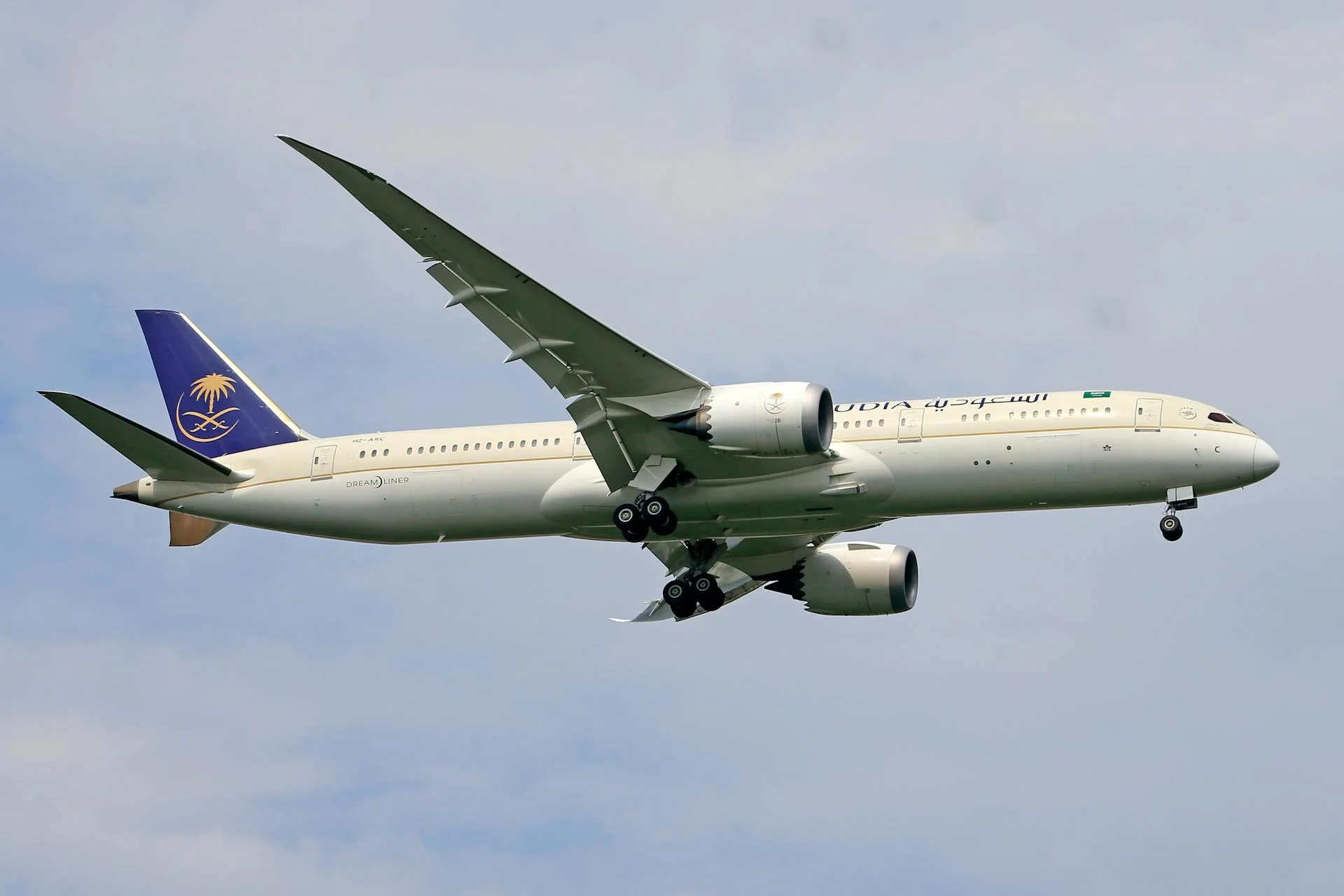
Airbus A320 operations worldwide faced significant disruption this week as airlines across Asia, Europe, and the Americas were forced to delay or cancel flights following an urgent recall affecting nearly 6,000 aircraft. The European manufacturer issued a precautionary notice instructing operators to update a critical software component linked to flight-control systems, prompting immediate action from carriers around the globe.
A Worldwide Wave of Flight Cancellations
The impact of the recall quickly spread across the global aviation network. Japan’s largest airline group, ANA Holdings, was among the first to respond, announcing the cancellation of 65 flights. The company confirmed that several aircraft in its narrow-body fleet were grounded until the mandatory software update for the Airbus A320 family was completed. Despite the inconvenience, ANA emphasized that safety remains its highest priority and that the recall required immediate compliance.
In Australia, low-cost carrier Jetstar—owned by Qantas—also reported operational disruptions. A Jetstar spokesperson explained that the recall affects “all operators of the Airbus A320 family worldwide,” noting that the current software glitch must be addressed before certain aircraft can safely return to service. As a result, several Jetstar flights were canceled proactively to ensure compliance with the temporary safety measures.
Air New Zealand and European Carriers Respond
Air New Zealand confirmed through its official X account that all Airbus A320 aircraft in its fleet would undergo the software update before taking on passengers again. This precautionary step led to a wave of last-minute delays affecting domestic and international routes. The airline apologized for the inconvenience but stressed that the update is essential for maintaining safe operations.
In Europe, the disruptions continued. Air France canceled 35 flights, primarily within the continent, due to the recall. Meanwhile, Avianca of Colombia reported that nearly 70% of its fleet had been affected by the technical notice. Although the airline anticipated significant operational challenges, it announced that the required updates were being performed swiftly to minimize passenger disruption.
South Korean Air, on the other hand, expected only minimal schedule changes. The airline revealed that just 17 aircraft from its Airbus A320 fleet required the software rollback, and it planned to complete the updates without major interruptions.
More Than Half the Global Fleet Impacted
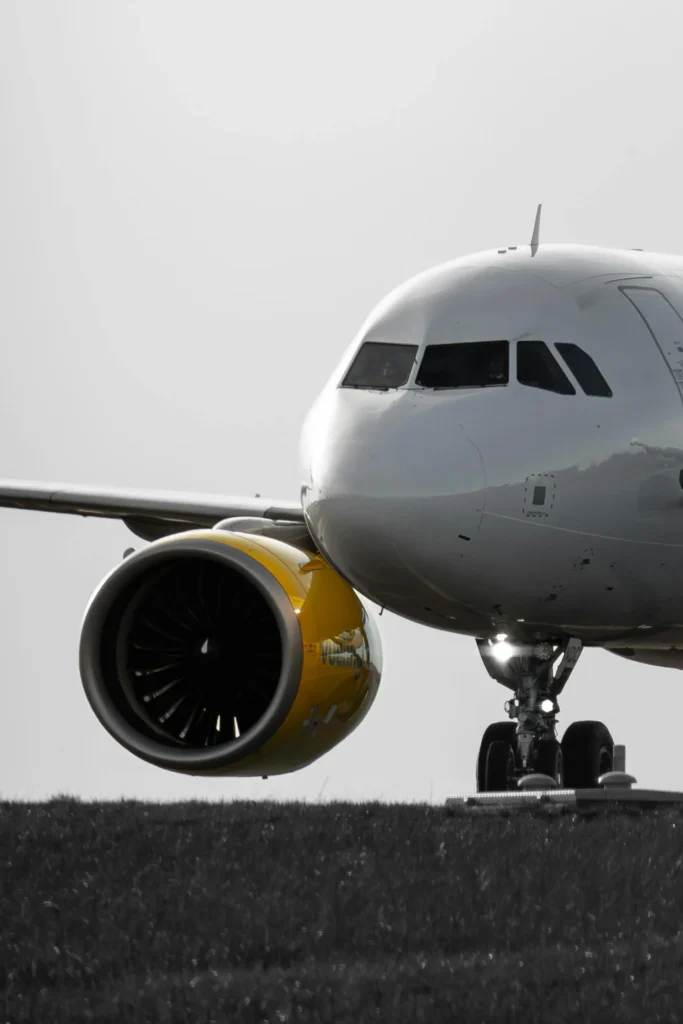
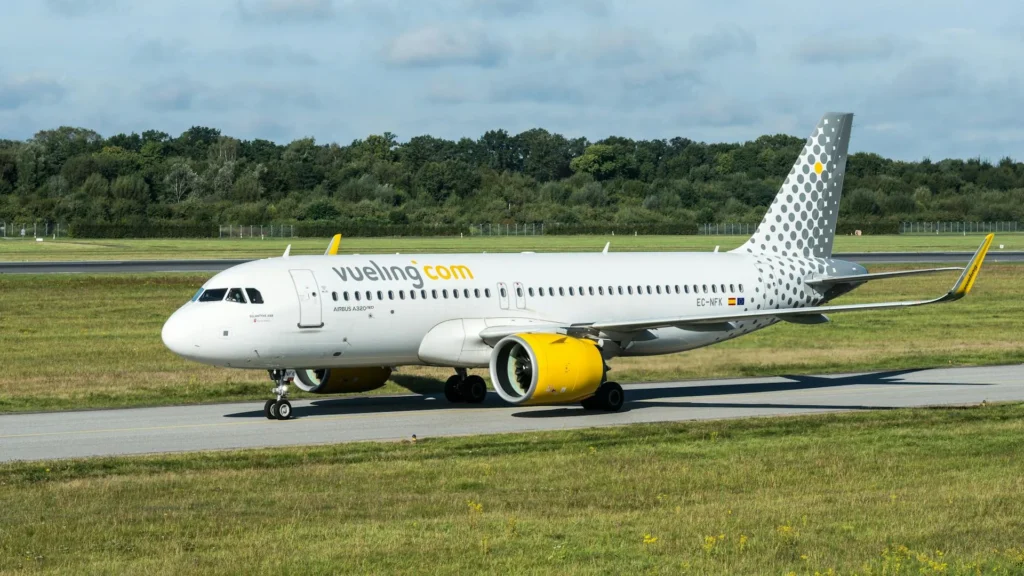
The recall’s scale is historic. Airbus confirmed that the issue affects more than half of all Airbus A320 aircraft currently active worldwide. The A320 family is the backbone of short-haul travel in regions like Asia, particularly China and India, making the disruption especially significant.
Globally, more than 11,300 single-aisle aircraft are in service, including roughly 6,440 units of the base Airbus A320 model. The required fix is relatively simple in principle: reverting to an earlier version of the flight-control software. Despite its simplicity, regulations require the update to be completed before affected aircraft can resume normal operations.
Why the Recall Was Issued
Airbus issued the urgent directive after evaluating an incident involving a JetBlue flight in the United States on October 30. The aircraft, operating between Cancun and Newark, was forced to divert and land in Tampa, Florida, after an unexpected flight-control system alert. According to Airbus’ technical assessment, intense solar radiation may corrupt specific data essential to the correct operation of the flight-control computer.
While no accidents or injuries were reported, Airbus determined that the safest course of action was to instruct all operators of the Airbus A320 family to perform immediate precautionary updates. The manufacturer stressed that ignoring the glitch could create potential risks if critical system data were interfered with during flight.
Airlines Move Quickly to Implement the Fix
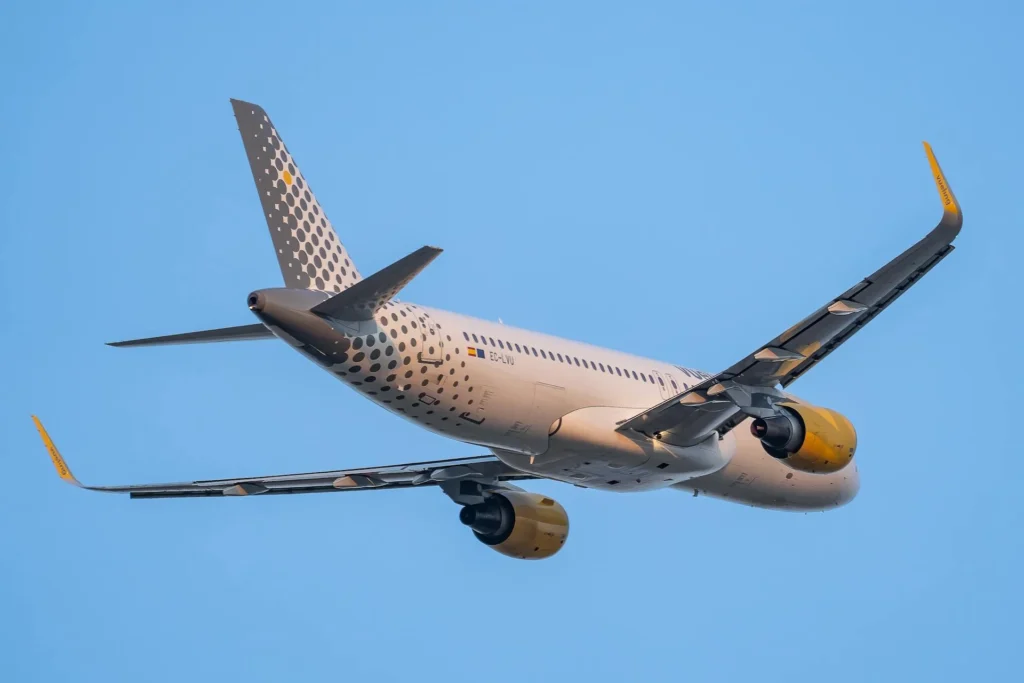
Airbus provided detailed guidance urging carriers to take “immediate precautionary measures.” The recall triggered rapid responses by major airlines that prioritized passenger safety over operational convenience. Although the software rollback is a procedural task, the sheer number of aircraft involved means that global schedules will feel the impact for days—or even weeks—until all updates are completed.
For now, airlines are balancing customer service challenges with the urgent requirement to meet Airbus’ safety guidelines. Some carriers have advised passengers to check flight statuses frequently, as more cancellations and delays are likely while maintenance teams work around the clock.
Continuing this global situation, aviation analysts note that the recall highlights both the strengths and vulnerabilities of modern aircraft systems. The Airbus A320 family is one of the most technologically advanced and widely deployed narrow-body fleets in the world, and even a minor software irregularity can create a ripple effect across continents. While the fix itself is not hardware-related, the sheer logistical challenge of updating thousands of aircraft within a short timeframe has left airlines juggling maintenance schedules, crew arrangements, and passenger expectations simultaneously.
How Airlines Are Managing the Operational Impact
Airlines are employing a variety of strategies to reduce the impact on travelers. Some carriers have swapped aircraft types where possible, replacing Airbus A320 models with larger wide-body jets or alternative narrow-body aircraft from Boeing. However, not all airlines have such flexibility in their fleets. Many low-cost carriers rely almost exclusively on the A320 family, making the recall particularly disruptive for them.
To mitigate delays, several airlines have extended maintenance shifts into 24-hour operations, calling in additional engineering teams to accelerate the software rollback. Airports in major hubs like Singapore, Frankfurt, Tokyo, and Dubai reported unusually crowded maintenance bays as fleets were cycled in and out of service. Despite the intense workload, aviation safety authorities in most regions praised airlines for acting quickly and transparently.
Passengers Face Delays, Rebooking, and Limited Options
For travelers, the recall has created an unpredictable environment. Thousands of passengers have been forced to rebook flights or accept long waiting times due to aircraft shortages. Many airlines are offering flexible rebooking options, waiving extra fees, or even refunding full ticket prices in cases where replacement flights are unavailable.
Customer-service teams across the world have reported a sharp rise in call volumes, with many passengers seeking clarity on whether their upcoming flights will operate. Airlines are encouraging travelers to use mobile apps and online platforms for real-time updates, as schedules continue to shift while affected Airbus A320 aircraft undergo the required updates.
Airports themselves are adjusting operations to manage the sudden wave of disrupted flights. Some terminals have extended gate holding times, while others have designated priority slots to accommodate flights returning to service after receiving the software fix. Despite the chaos, major aviation authorities have emphasized that the inconvenience is preferable to risking a potential flight-control malfunction mid-air.
Technical Details Behind the Software Rollback
Although Airbus has not publicly disclosed every technical detail, sources indicate that the affected software component is linked to a data-processing function associated with flight-control feedback loops. Under rare conditions, strong solar radiation may corrupt certain data packets transmitted between onboard sensors and control computers.
Because this data influences the aircraft’s response to pilot inputs, Airbus decided that even a small risk warranted immediate action. The rollback involves reinstating a previous, stable software version known to operate without interference from high-energy solar activity. Technicians complete the update through a secure maintenance interface, run diagnostic checks, and then perform system validation before approving the aircraft for flight.
A320 Operators Prepare for Long-Term Safeguards
While the current software rollback is considered a temporary corrective measure, Airbus is already developing a permanent update designed to eliminate the vulnerability entirely. This future solution will likely undergo rigorous testing before rollout, ensuring that no additional operational risks arise.
Industry experts believe the recall will push airlines to re-evaluate their software-maintenance protocols. With today’s aircraft becoming increasingly computerized, even minor code disruptions can carry significant operational implications. The Airbus A320 recall serves as a reminder that aviation safety relies not only on physical engineering but also on digital precision.
Impact on Global Aviation Logistics
The recall is also influencing air-cargo networks. Several carriers that use the Airbus A320 for short-haul cargo connections have reported capacity reductions caused by grounded aircraft. This has delayed shipments in regions like Southeast Asia and Western Europe, particularly for time-sensitive goods.
Tourism-heavy destinations have also felt the impact. Popular cities such as Bangkok, Bali, and Barcelona reported fluctuations in daily arrivals as airlines reshuffled schedules. Economists predict short-term effects on tourism revenue but expect operations to normalize once the full fleet of Airbus A320 aircraft is cleared for service.
Industry Confidence Remains Strong
Despite the widespread inconvenience, confidence in Airbus and the A320 platform remains high. Aviation experts point out that the quick recall demonstrates a functioning global safety system rather than a catastrophic flaw. By identifying the issue during a single flight incident and taking swift action, Airbus prevented potential risks long before they affected passengers.
Airlines have also acknowledged that software-based aviation systems must adapt continuously to solar cycles, atmospheric conditions, and new environmental factors that can influence onboard electronics. The commitment to transparency and rapid response has reinforced trust among regulators, airlines, and passengers alike.
A Gradual Return to Normal Operations
As maintenance teams progress through the required software updates, more flights are expected to return to schedule within days. Airlines anticipate that full normalization may take weeks, depending on fleet size and regional maintenance capacity. However, most carriers remain optimistic that the situation will be resolved smoothly.
In the long term, the event will likely lead to more robust preventive software checks and stricter global coordination on aircraft-system updates. The Airbus A320 family continues to be the backbone of short-haul aviation, and its safe return to full operations remains a top priority for the international aviation community.