

Artificial intelligence songwriting is transforming the way music is written, composed, and produced across the world. What once required years of musical training and lyrical experimentation can now be assisted by advanced algorithms capable of generating melodies, lyrics, and even full song structures. As artificial intelligence continues to evolve, its role in creative industries—especially music—has become both influential and controversial.
What Is Artificial Intelligence Songwriting?
At its core, artificial intelligence songwriting refers to the use of machine learning models and algorithms to assist or automate parts of the songwriting process. These systems are trained on massive datasets of existing music, lyrics, and musical patterns. By analyzing structure, rhythm, harmony, and language, AI tools can generate new musical ideas that resemble human-created songs.
Rather than replacing musicians entirely, most modern AI songwriting tools are designed to act as creative partners. They help artists overcome writer’s block, explore new genres, or experiment with sounds they might not otherwise consider.
How AI Generates Lyrics and Melodies
AI songwriting systems rely heavily on neural networks, particularly models trained on text and audio data. For lyrics, language models analyze sentence structure, rhyme schemes, and emotional tone. For melodies, AI studies chord progressions, tempo, and melodic movement.
In artificial intelligence songwriting, these elements are combined to create cohesive musical outputs. Some tools generate lyrics first and then match melodies to them, while others begin with chord progressions and build lyrics afterward. The flexibility of this process allows creators to guide the AI or let it generate ideas independently.
Popular Uses of AI in Songwriting
Many artists use AI tools during the early stages of composition. Instead of starting from scratch, they input themes, moods, or keywords and receive multiple lyrical or melodic suggestions. This approach speeds up brainstorming and encourages experimentation.
Many creators explore different platforms before choosing the right solution, and reviewing a coursiv ai tools list can help musicians compare available features and AI-powered songwriting capabilities.
Artificial intelligence songwriting is also widely used in commercial settings, such as background music for videos, games, and advertisements. In these contexts, speed and adaptability are often more important than deep emotional storytelling, making AI-generated music a practical solution.
Benefits for Musicians and Creators
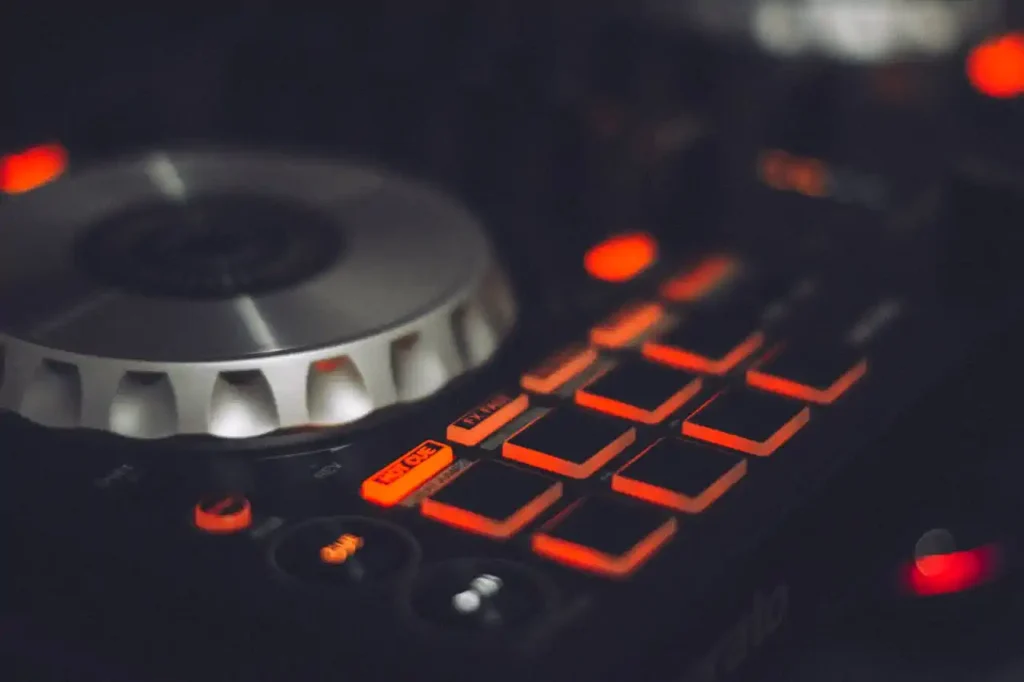
One of the biggest advantages of AI-assisted songwriting is accessibility. Musicians with limited technical skills can still create structured songs with the help of intelligent tools. This lowers barriers to entry and allows more people to participate in music creation.
Another benefit of artificial intelligence songwriting is efficiency. AI can generate dozens of variations in seconds, giving creators more options to refine and personalize. It also helps artists explore unfamiliar genres, styles, or chord patterns without extensive research.
Creativity vs. Automation
Despite its advantages, AI songwriting raises questions about creativity and originality. Critics argue that AI-generated music lacks genuine emotion because it does not experience feelings or life events. Instead, it imitates patterns found in existing works.
Supporters counter that artificial intelligence songwriting does not eliminate creativity—it shifts it. The human role moves from generating every note to curating, editing, and shaping AI-generated ideas. In this sense, creativity becomes more collaborative rather than purely individual.
Ethical and Copyright Considerations
As AI-generated music becomes more common, legal and ethical concerns have emerged. Questions about ownership, originality, and copyright remain unresolved in many regions. If an AI model is trained on copyrighted music, determining who owns the resulting song can be complex.
These challenges make artificial intelligence songwriting a rapidly evolving field, where technology often advances faster than regulation. Musicians and developers alike must navigate these uncertainties carefully.
The Growing Influence on the Music Industry
Record labels, independent artists, and content creators are increasingly exploring AI-powered tools. From generating demo tracks to assisting with full compositions, AI is becoming part of mainstream music workflows.
Artificial intelligence songwriting is no longer a novelty—it is a tool that continues to shape how music is created, distributed, and consumed. As technology improves, its influence on sound, style, and production methods will only grow.
A New Chapter in Musical Expression
While AI may never replace human emotion or lived experience, it offers new ways to express ideas and experiment creatively. Songwriting has always evolved alongside technology, from recording equipment to digital production software.
Artificial intelligence songwriting represents the next step in that evolution—one that challenges traditional boundaries while opening new creative possibilities for artists around the world.
How Artists Collaborate With AI Tools
Many musicians now treat AI as a collaborative partner rather than a replacement. Instead of asking software to generate a complete song, artists often use AI to suggest chord progressions, melodic ideas, or alternative lyric lines. This collaborative approach keeps human intent at the center while benefiting from computational speed and pattern recognition.
In practical workflows, artificial intelligence songwriting tools are used during brainstorming sessions or demo creation. Artists may select the best ideas generated by AI, modify them, and blend them with personal experiences. This process preserves originality while accelerating creativity.
Impact on Independent Musicians
Independent artists are among the biggest beneficiaries of AI-assisted songwriting. Without access to large production teams or professional studios, solo musicians can use AI to fill creative gaps. AI tools can help structure songs, suggest harmonies, or provide lyrical direction.
Major media outlets have highlighted how artificial intelligence is reshaping music platforms, with reports from CNN explaining the AI technology behind features like Spotify’s personalized recommendations.
Artificial intelligence songwriting has also reduced production costs. Independent creators can experiment freely without paying for session musicians or extensive studio time. This accessibility has helped diversify the music landscape by giving more voices the opportunity to be heard.
AI in Different Music Genres
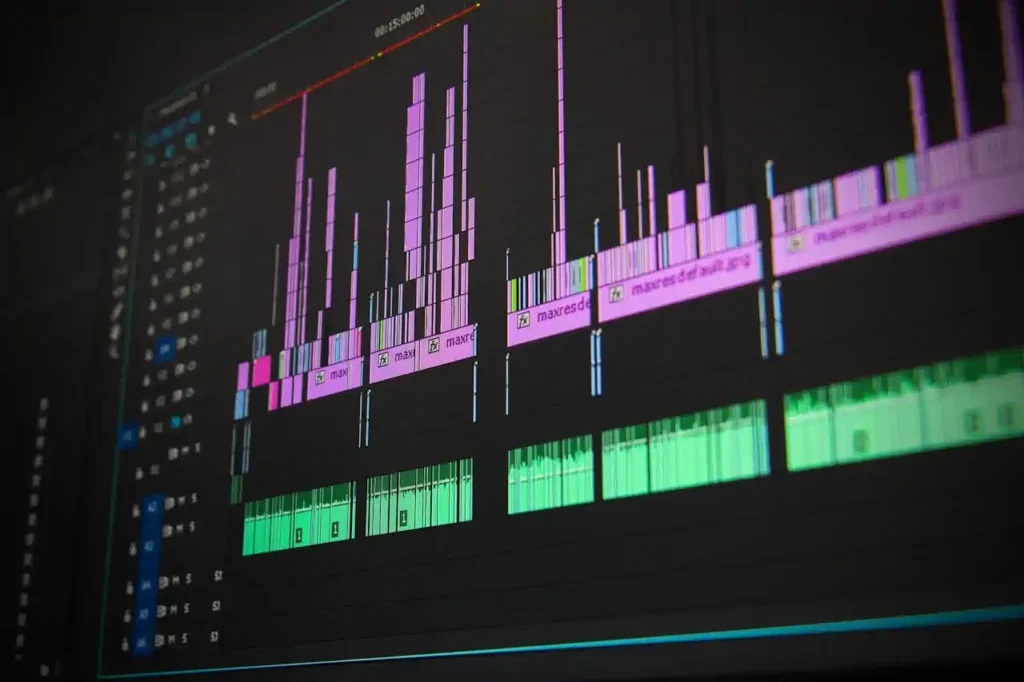
AI songwriting tools adapt surprisingly well across genres. In pop music, they help generate catchy hooks and repetitive structures. In electronic music, AI excels at rhythm patterns and sound design. Even in genres like hip-hop or worship music, AI can assist with lyrical flow and chord progression ideas.
AI-powered songwriting tools are increasingly being used across different music genres, including traditional and regional styles such as شيلات السهول, helping preserve cultural identity while embracing modern production methods.
Because artificial intelligence songwriting systems learn from large datasets, they can mimic genre-specific characteristics with reasonable accuracy. However, the most compelling results usually come when artists guide the AI with clear creative direction.
Limitations of AI-Created Songs
Despite impressive progress, AI-generated music still has limitations. AI does not understand meaning the way humans do; it predicts patterns rather than expressing intention. As a result, lyrics may sometimes feel generic or emotionally shallow without human refinement.
In artificial intelligence songwriting, the strongest outcomes depend on human editing and emotional insight. Artists remain essential for shaping narrative, authenticity, and cultural relevance—qualities that AI alone cannot fully replicate.
The Role of Emotion and Human Judgment
Music is deeply tied to emotion, memory, and personal experience. While AI can simulate emotional language or harmonic tension, it does not feel emotion. Human judgment is therefore critical in deciding which AI-generated ideas resonate and which feel artificial.
Successful use of artificial intelligence songwriting often involves filtering output through human sensitivity. Musicians decide what aligns with their message, audience, and artistic identity. This balance ensures that technology enhances rather than dilutes emotional impact.
Changing Skill Sets for Songwriters
As AI tools become more common, the skills required for songwriting are shifting. Technical knowledge of music theory remains valuable, but new skills—such as prompt design, editing AI output, and creative direction—are becoming increasingly important.
Artificial intelligence songwriting encourages songwriters to think like producers and curators. Instead of focusing solely on composition, artists manage ideas, refine concepts, and shape final outputs more strategically.
Audience Perception and Authenticity

Listeners often ask whether AI-generated music feels authentic. In many cases, audiences care less about how a song was made and more about how it makes them feel. If a song connects emotionally, the use of AI becomes secondary.
However, transparency matters. Some artists openly discuss their use of AI, framing it as a tool rather than a shortcut. This openness helps normalize artificial intelligence songwriting and builds trust with listeners.
Future Trends in Music Creation
Looking ahead, AI tools are expected to become more interactive and personalized. Future systems may adapt in real time to an artist’s style, preferences, and feedback. This evolution could make collaboration even more seamless.
Artificial intelligence songwriting is likely to integrate more deeply with digital audio workstations, live performance tools, and music education platforms. Rather than disrupting music creation, AI may become a standard part of the creative process.
A Balanced Creative Future
The rise of AI in music does not signal the end of human songwriting. Instead, it represents an expansion of creative possibilities. Technology has always shaped music—from recording devices to digital production—and AI is simply the next step.
When used thoughtfully, artificial intelligence songwriting empowers artists to explore new ideas, overcome creative blocks, and produce music more efficiently. The future of songwriting will likely be defined not by humans versus machines, but by how effectively they work together.