
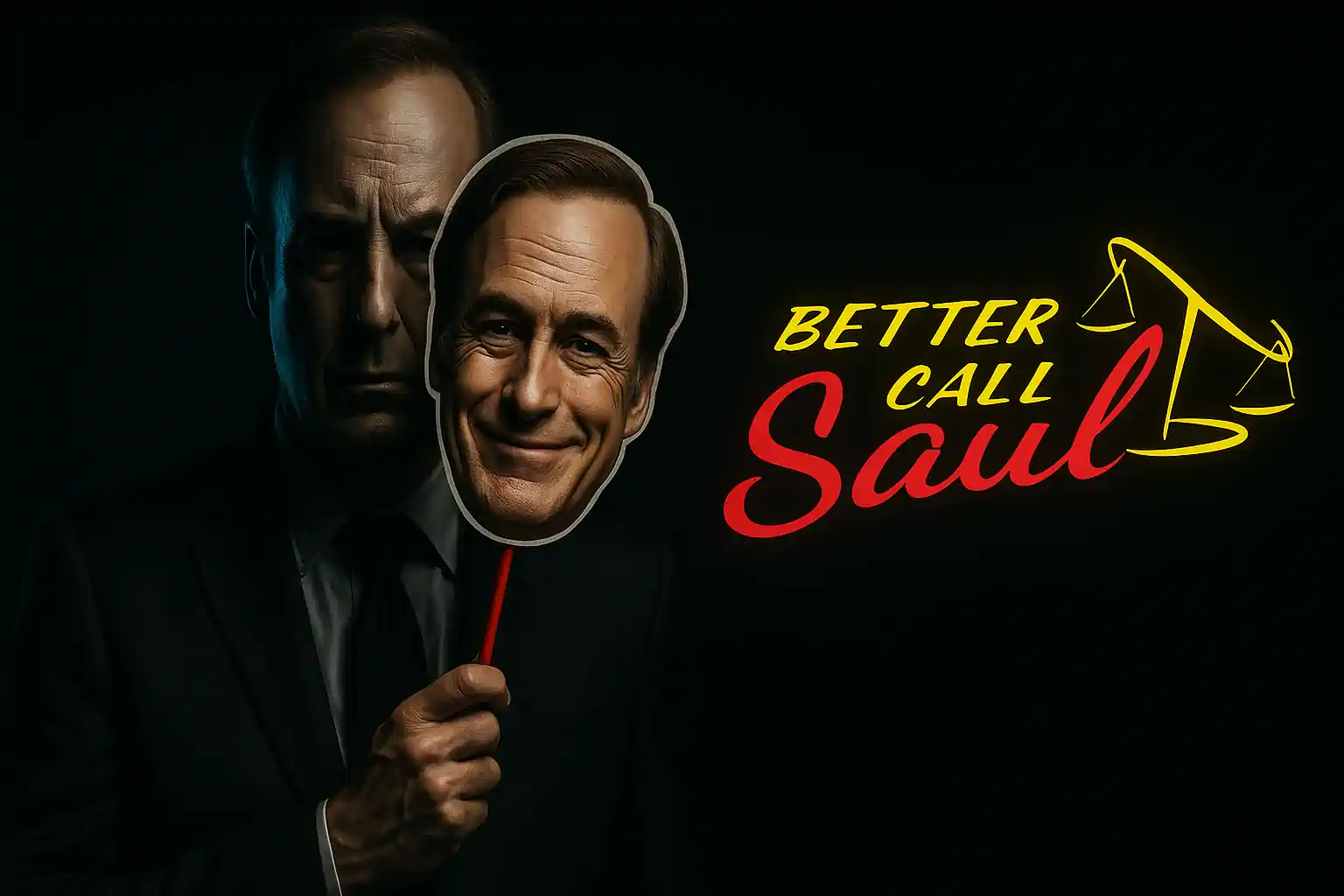
Better call to saul is one of the most acclaimed television dramas of the 2010s and early 2020s, earning praise for its storytelling, character development, and unique position as a prequel and sequel to Breaking Bad. Created by Vince Gilligan and Peter Gould, the series explores the transformation of its central character from a struggling lawyer into one of television’s most memorable antiheroes.
Origins and Premise
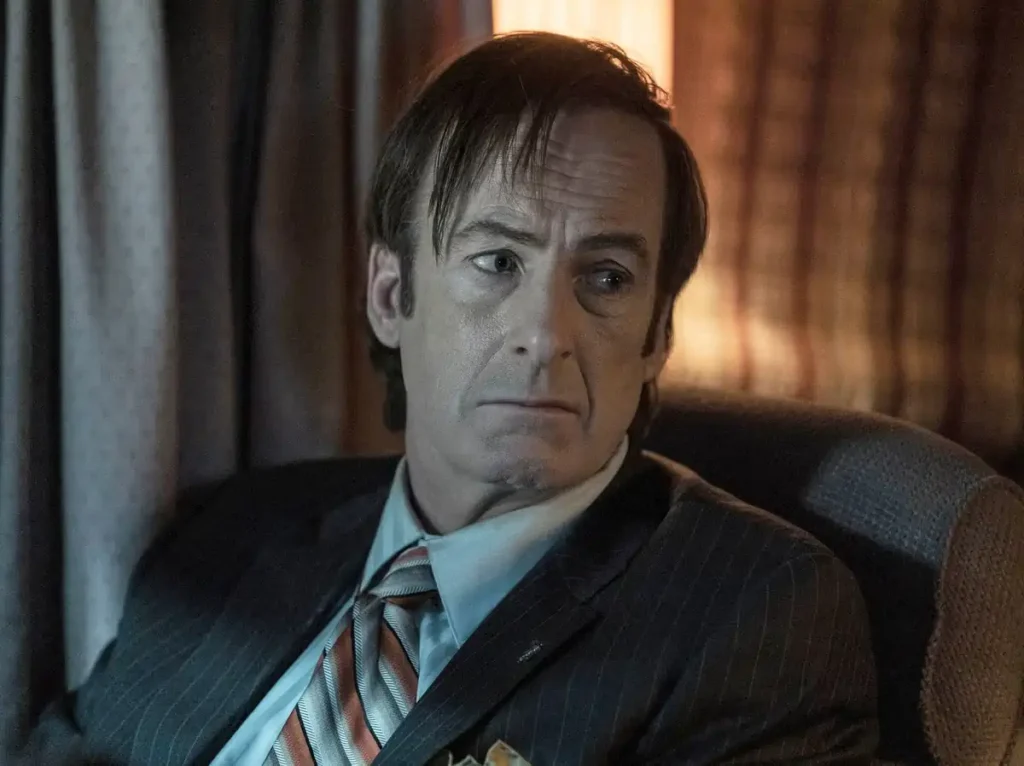
At its core, Better Call to Saul follows Jimmy McGill, an earnest but often misguided attorney trying to make a name for himself in Albuquerque, New Mexico. As the series unfolds, viewers witness Jimmy’s moral journey as he gradually adopts the persona of Saul Goodman, a sleazy but charismatic criminal defense lawyer known from Breaking Bad.
The show spans six seasons (2015–2022) and expertly balances the early life of Jimmy McGill with glimpses of his post-Breaking Bad existence under the alias Gene Takovic. This narrative structure deepens the storytelling by revealing not just how Saul became who he was, but also the emotional consequences of his choices later in life.
Main Characters and Cast
Bob Odenkirk stars as Jimmy McGill/Saul Goodman, anchoring the series with a performance that has earned critical acclaim and multiple award nominations. The cast also includes Rhea Seehorn as Kim Wexler, Jimmy’s intelligent and morally grounded partner, and Jonathan Banks as Mike Ehrmantraut, a former police officer who becomes involved in the criminal underworld that frequently intersects with Saul’s legal work.
Other significant characters include Jimmy’s brother Chuck McGill, portrayed by Michael McKean, and figures from the drug trade such as Gus Fring (Giancarlo Esposito) and Lalo Salamanca (Tony Dalton), who help connect Better Call to Saul to the broader Breaking Bad universe.
Story Structure and Narrative Style
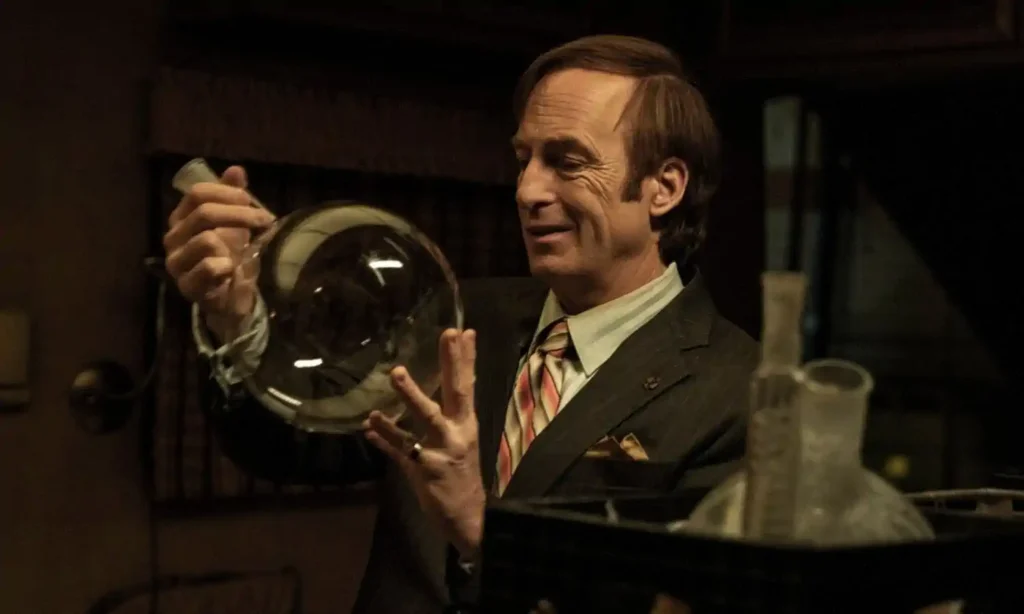
One of the defining elements of Better Call to Saul is its careful pacing and character-driven storytelling. The series does not rush Jimmy’s transformation; instead, it thoughtfully traces his ethical decline as he navigates personal and professional setbacks. Episodes often blend legal drama with character study, focusing as much on internal conflict as external action.
The inclusion of black-and-white flash-forwards set after Breaking Bad adds a reflective layer to the narrative, showing Saul’s life under a new identity and the long-term ramifications of his choices. This dual timeline not only enriches the plot but also reinforces the themes of identity and consequence that run through the series.
Critical Reception and Legacy
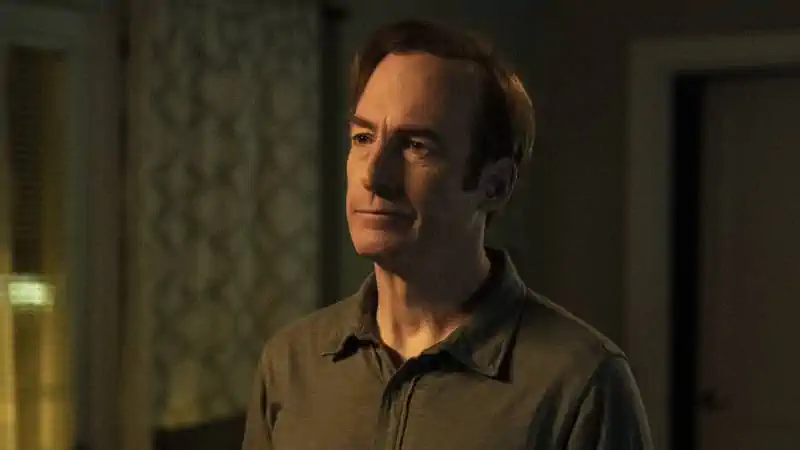
Better Call to Saul has been widely praised by critics and audiences alike, often cited as one of the best television series of its era. It holds high ratings on platforms like IMDb, where it averages around 9.0/10 from hundreds of thousands of viewers, reflecting its sustained popularity and strong fan base.
Critics have lauded the show’s meticulous writing, nuanced performances, and the way it expands Breaking Bad’s world while maintaining its own distinct identity. The nuanced exploration of character and morality has made Better Call to Saul a standout in the crowded field of prestige television.
Themes and Character Development
Themes of identity, loyalty, and moral ambiguity are central to Better Call to Saul. Jimmy McGill’s transformation into Saul Goodman is not depicted as a sudden change, but as the gradual erosion of ethical boundaries under pressure from personal and professional conflicts.
The relationship between Jimmy and Kim Wexler showcases the tension between ambition and conscience, while Mike Ehrmantraut’s story illustrates the cost of navigating the criminal world. Together, these arcs contribute to a richly textured narrative that rewards long-term viewers.
Cultural Impact
Better Call to Saul has had a significant impact on television storytelling, particularly in how it blends genre elements. It combines legal drama, character study, and crime narrative into a cohesive whole, appealing to both fans of Breaking Bad and new audiences. Its popularity has helped cement the legacy of its creators and contributed to ongoing discussions about quality and ambition in serialized television storytelling.
Production Quality and Creative Vision
One of the most striking aspects of better call to saul is its exceptional production quality. The series was produced by Sony Pictures Television and aired on AMC, maintaining the same high visual standards established by Breaking Bad. Cinematography plays a crucial role, using wide desert shots, meticulous framing, and symbolic visuals to convey emotion and character psychology without relying heavily on dialogue.
Vince Gilligan and Peter Gould approached the series with a clear creative vision: to let characters evolve organically. This approach resulted in long, quiet scenes that focus on subtle facial expressions, body language, and atmosphere. Rather than relying on constant action, the show builds tension through anticipation, making each turning point feel earned and impactful.
Writing Style and Narrative Discipline
The writing of better call to saul has been praised for its discipline and patience. Storylines often unfold slowly, allowing viewers to fully understand motivations and consequences. Legal cases, personal conflicts, and criminal operations are interconnected in ways that feel realistic rather than forced.
Dialogue is carefully crafted, often serving multiple purposes at once. A single conversation may advance the plot, reveal character flaws, and foreshadow future events. This layered writing style rewards attentive viewers and encourages rewatching, as subtle details gain new meaning over time.
Connection to Breaking Bad
While better call to saul stands firmly on its own, its connection to Breaking Bad adds depth rather than dependency. Familiar characters reappear not as fan service, but as integral parts of the story. Their presence helps contextualize events and deepen the shared universe without overshadowing Jimmy McGill’s journey.
The series carefully avoids retelling Breaking Bad from a different angle. Instead, it expands the universe by exploring legal, ethical, and personal dimensions that were only hinted at before. This balance allows new viewers to enjoy the show independently while giving longtime fans additional layers of meaning.
Character Arcs and Emotional Weight
Character development remains the emotional core of the series. Jimmy McGill’s gradual transformation is mirrored by Kim Wexler’s increasingly complex moral decisions. Rather than serving as a simple moral counterweight, Kim evolves into a fully realized character whose choices carry significant consequences.
Mike Ehrmantraut’s storyline adds another layer of emotional depth. His strict personal code, shaped by loss and regret, contrasts with Jimmy’s flexible morality. These parallel arcs highlight different responses to guilt, responsibility, and survival within the same world.
The emotional weight of better call to saul lies in its inevitability. Viewers know where certain characters will end up, yet the series still manages to create tension by focusing on how and why those outcomes occur.
Audience Reception and Awards Recognition
Throughout its run, better call to saul received widespread critical acclaim and strong audience support. The series earned numerous nominations across major award ceremonies, including the Primetime Emmy Awards, recognizing its acting, writing, and overall production excellence.
Bob Odenkirk’s performance was particularly celebrated, as he transformed a once-comedic supporting character into a deeply layered protagonist. Rhea Seehorn also received significant praise for her portrayal of Kim Wexler, with many critics highlighting her performance as one of the most compelling on television during the show’s later seasons.
Themes of Identity and Consequence
At its heart, better call to saul is a story about identity and consequence. The series explores how small compromises gradually reshape a person’s character. Jimmy McGill does not become Saul Goodman overnight; his transformation is the result of repeated choices made under pressure, disappointment, and desire for validation.
The show also examines how systems—legal, corporate, and criminal—shape behavior. Characters often justify questionable actions as necessary or temporary, only to find themselves trapped by those decisions later. This thematic consistency gives the series a strong philosophical foundation.
Final Impact on Television Storytelling
By the time it concluded in 2022, better call to saul had firmly established itself as one of the most carefully crafted television dramas of its era. Its commitment to character-driven storytelling, visual symbolism, and narrative restraint set a high standard for future series.
Rather than relying on shock value, the show trusted its audience to engage with complexity and nuance. This trust paid off, resulting in a loyal fan base and lasting critical respect. The series demonstrated that a prequel can not only succeed, but also deepen and elevate the original story it is connected to.