

German shepherd best breeder is the phrase many future owners type first when they want a German Shepherd with strong genetics, stable temperament, and fewer long-term health risks. The difference between a well-bred dog and a poorly bred one often shows up years later—in vet bills, training struggles, and behavioral issues. That’s why choosing the right breeder should be treated like a serious decision, not an impulse purchase.
Why Breeder Quality Matters More Than Price

A German Shepherd is not a casual pet for most people. It’s a working breed with high intelligence, strong loyalty, and a protective nature. Those traits can be incredible in the right hands, but they can also become difficult if the dog is bred without care. A responsible breeder produces dogs with balanced nerves, predictable temperament, and solid structure—qualities that support both family homes and working roles.
When buyers focus only on price, they often overlook key details such as health testing, puppy socialization, and ethical breeding practices. Low pricing can sometimes signal shortcuts: minimal vet care, weak genetic screening, or overcrowded breeding environments. Paying a fair price for quality breeding is often cheaper than paying for preventable problems later.
The Clear Signs of a Responsible Breeder
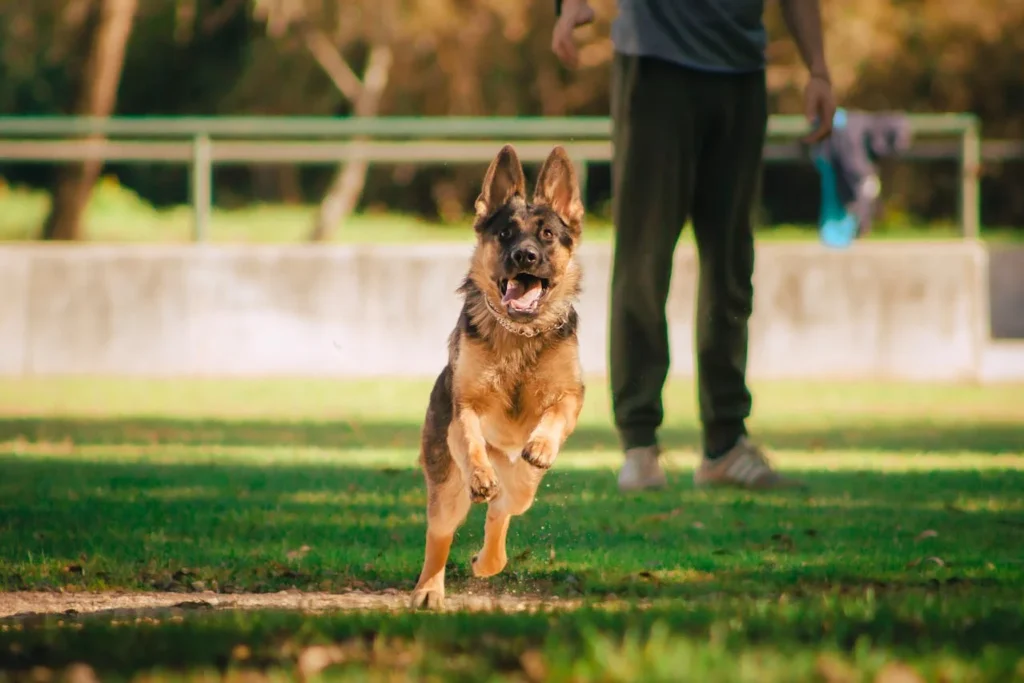
A trustworthy breeder is transparent. They will explain why they chose a pairing, what they aim to improve, and what kind of home their puppies need. They will also ask you questions—because they care where the puppy ends up. This is a major difference between ethical breeders and sellers who simply move puppies as fast as possible.
A german shepherd best breeder typically produces limited litters per year. Quality breeding takes time, planning, and careful evaluation of each dog. If someone always has puppies available, offers many breeds at once, or avoids showing the living environment, you should be cautious.
Health Testing and Documentation
German Shepherds can be prone to hip and elbow dysplasia, degenerative myelopathy, and certain digestive or skin issues. Good breeding programs reduce these risks by screening parent dogs before breeding. Ask for proof, not promises. A professional breeder will provide documentation for orthopedic evaluations and genetic testing where appropriate.

Health testing is not a guarantee that a puppy will never have issues, but it greatly lowers the probability of inherited problems. It also shows the breeder is investing in the breed’s future rather than gambling with it.
Temperament, Lines, and What Fits Your Lifestyle

Not every German Shepherd is the same. Some are bred for calm family companionship, while others have high drive and strong working instincts for sport, service, or protection work. A good breeder understands these differences and helps match the right puppy to the right home.
The best breeders observe puppies daily and evaluate how they respond to new situations: sudden noises, unfamiliar people, gentle restraint, and curiosity tests. That insight helps place puppies intelligently rather than letting buyers choose only by color or size.
A german shepherd best breeder will be honest if a puppy is not a match for your lifestyle. This honesty protects both the dog and the owner.
The Importance of Early Socialization

Genetics are only part of the equation. Puppies also need the right start. Early handling, exposure to household sounds, short positive interactions with new people, and structured routine help shape confidence. Puppies raised in isolation can develop fear-based behavior later, even if their genetics are excellent.
Ask how the breeder socializes puppies. Do they introduce surfaces, sounds, basic crate exposure, and gentle grooming? Do they begin simple routines before the puppy goes home? These details matter.
Contracts, Support, and Ethical Guarantees
Professional breeders provide written contracts. These often include health guarantees, vaccination and deworming records, and clear expectations about care. Many ethical breeders also include a return policy—meaning if you can’t keep the dog, the breeder will take it back. This prevents dogs from ending up in unsafe situations.
A german shepherd best breeder usually offers long-term support. They want updates, they answer questions, and they help with training or adjustment issues. That support is valuable, especially for first-time owners.
Making a Confident Decision
Take your time. Compare breeders, verify records, ask questions, and evaluate how the breeder treats their dogs. A healthy puppy should be alert, curious, and comfortable around people. The environment should be clean, organized, and focused on the puppies’ welfare—not just sales.
Choosing a german shepherd best breeder sets the foundation for years of loyalty, stability, and companionship. When you start with responsible breeding, you give yourself the best chance of bringing home a dog that fits your life—and thrives in it.
Choosing the right breeder is only the first step. After bringing a puppy home, the real responsibility begins. Owners who start with a strong foundation are more likely to raise a confident, stable dog that integrates smoothly into daily life. This is where the value of working with a german shepherd best breeder becomes clearer over time, not just in the early weeks.
Early Training Sets the Direction
German Shepherds are highly intelligent and learn quickly, which makes early training essential. Basic obedience training should begin as soon as the puppy settles into its new home. Commands like sit, stay, and recall create structure and help the dog understand expectations.
Puppies that come from a german shepherd best breeder often adapt faster to training because they are raised with early handling and routine. However, consistency from the owner is still required. Without follow-through, even a well-bred puppy can develop confusion or unwanted habits.
Socialization Beyond the Breeder’s Home
Most responsible breeders begin socialization early, but that process must continue. Exposure to new people, environments, sounds, and situations helps prevent fear-based behavior. Short, positive experiences are more effective than overwhelming the dog.
Owners who continue proper socialization reinforce the work done by a german shepherd best breeder, allowing the dog to grow into a calm and confident adult. Well-socialized dogs are easier to train, safer around strangers, and more adaptable to change.
Nutrition and Controlled Growth
Large-breed puppies require careful feeding to support healthy growth. German Shepherds grow rapidly, and improper nutrition can stress joints and bones. Many breeders provide feeding guidelines based on experience and veterinary advice.
Following recommendations from a german shepherd best breeder helps prevent common mistakes such as overfeeding or using low-quality food. Balanced nutrition supports muscle development while reducing the risk of joint issues later in life.
Exercise Without Overdoing It
German Shepherds need daily physical activity, but moderation is important during puppyhood. Long walks, gentle play, and structured training sessions are ideal. Excessive jumping or intense exercise at a young age can strain developing joints.
Dogs sourced from a german shepherd best breeder usually have strong physical foundations, but owners must still manage activity wisely. Mental stimulation—such as training games and problem-solving toys—is just as important as physical movement.
Ongoing Health Care and Observation
Regular veterinary care remains essential throughout the dog’s life. Routine checkups allow early detection of issues related to joints, digestion, skin, or allergies. Preventive care protects both the dog and the household.
Even when a dog comes from a german shepherd best breeder, owners should stay alert to subtle changes in behavior or movement. Early attention often prevents small concerns from becoming serious problems.
Lifestyle Fit and Daily Structure
German Shepherds thrive on routine and leadership. Clear rules, consistent schedules, and regular interaction help the dog feel secure. This breed does best when included in daily life rather than isolated.
A german shepherd best breeder often screens buyers carefully because lifestyle compatibility matters. Owners who invest time in training, exercise, and companionship usually experience fewer behavioral challenges.
Common Ownership Mistakes to Avoid
One common mistake is assuming genetics alone will guarantee good behavior. While starting with a german shepherd best breeder provides a strong base, environment and guidance shape the final outcome.
Another mistake is inconsistency. Changing rules or neglecting training confuses the dog and can lead to frustration. Clear communication and patience are essential for long-term success.
The Long-Term Value of a Strong Start
The benefits of responsible breeding become more visible as the dog matures. Owners often notice better focus, emotional stability, and adaptability. These qualities make daily life easier and strengthen the bond between dog and owner.
Working with a german shepherd best breeder is an investment that pays off over time. Fewer health concerns, smoother training, and a balanced temperament all contribute to a more rewarding ownership experience.
As German Shepherds mature, the impact of early decisions becomes even more visible. Owners often notice clear differences in behavior, adaptability, and overall health between dogs that were responsibly bred and those that were not. This is where choosing a german shepherd best breeder shows its true value over the long term, not just during puppyhood.
Behavioral Stability Over Time
Adult German Shepherds with solid genetic foundations tend to display better emotional control and confidence. They recover faster from stress, respond more predictably to training, and show fewer anxiety-related behaviors. These traits are not accidental; they are the result of careful selection and early development.
Dogs sourced from a german shepherd best breeder often show consistent temperament even as they age. This stability makes them easier to manage in public spaces, around guests, and in unfamiliar environments. For families and working owners alike, this reliability is a major advantage.
Advanced Training and Skill Development
As the dog grows, training can progress beyond basic obedience. German Shepherds excel in advanced roles such as tracking, agility, therapy work, and personal protection. Their intelligence and drive make them highly trainable when guided correctly.
Owners who began with a german shepherd best breeder usually find advanced training more enjoyable and productive. Clear focus, willingness to learn, and strong nerve strength allow the dog to handle complex tasks without becoming overwhelmed.
Maintaining Physical Health Into Adulthood
Joint health and mobility are long-term concerns for large breeds. While good nutrition and exercise play key roles, genetics remain a major factor. Dogs bred responsibly are less likely to suffer from severe structural issues later in life.
Regular exercise tailored to the dog’s age helps maintain muscle tone and joint stability. Dogs from a german shepherd best breeder often maintain better posture, endurance, and movement quality well into adulthood when properly cared for.
The Owner’s Role in Long-Term Success
Even the best breeding program cannot replace responsible ownership. Structure, routine, and engagement remain essential throughout the dog’s life. German Shepherds form strong bonds and thrive when given purpose and interaction.
A german shepherd best breeder often emphasizes this responsibility early, educating buyers about the breed’s needs before the puppy ever leaves. Owners who follow this guidance are more likely to experience long-term success and satisfaction.
Adapting to Life Changes
Over the years, lifestyles change. Families grow, schedules shift, and environments evolve. A stable dog adapts more easily to these transitions. Well-bred German Shepherds tend to handle changes with less stress, whether it’s a new home, a different routine, or the arrival of children.
Choosing a german shepherd best breeder increases the likelihood that the dog will remain adaptable and resilient as circumstances change. This flexibility reduces behavioral setbacks and strengthens trust between dog and owner.
Preventing Rehoming and Behavioral Decline
One of the most unfortunate outcomes in dog ownership is rehoming due to behavioral challenges. Many of these issues can be traced back to poor breeding, lack of preparation, or mismatched expectations.
Dogs from a german shepherd best breeder are less likely to develop severe behavioral problems when paired with informed owners. This reduces the risk of surrender and contributes to better outcomes for both dogs and families.
Long-Term Emotional Bond
German Shepherds are known for deep loyalty. Over time, this bond becomes one of the most rewarding aspects of ownership. Owners often describe their dogs as intuitive, protective, and deeply connected to their household.
When that bond is built on a strong foundation—starting with a german shepherd best breeder—it tends to be more stable and enduring. Trust grows naturally when the dog feels secure, understood, and properly guided.
A Thoughtful Decision That Lasts
Choosing a breeder is not a short-term choice; it shapes a decade or more of shared life. From health and behavior to adaptability and companionship, the effects of responsible breeding continue long after the puppy stage has passed.
Selecting a german shepherd best breeder, combined with proper care and commitment, creates the conditions for a fulfilling and balanced relationship. The result is not just a well-behaved dog, but a dependable companion that enriches daily life for years to come.